Carbon Border Adjustment Mechanism (CBAM) – what is it?
The EU has recently adopted CBAM (Carbon Border Adjustment Mechanism), which means a charge on imported goods based on their emissions during production.
Previously, EU companies with high carbon emissions could save on charges by moving production to countries with lower CO2 taxes. But the CBAM certificates will close this loophole.
During the transition period from 2024 to 2026, there is only a reporting obligation. Importers and plant operators must get used to tracking carbon data in the required format. From 2026, a charge will be introduced corresponding to the difference in CO2 tax where the products are made.
NewTracks has already started reporting in accordance with CBAM, but financially this will have minimal impact on our products. We work with factories that already have a strong focus on environmental protection and sustainable production, and every year we audit all our factories, where we also focus on emissions and environmental protection.
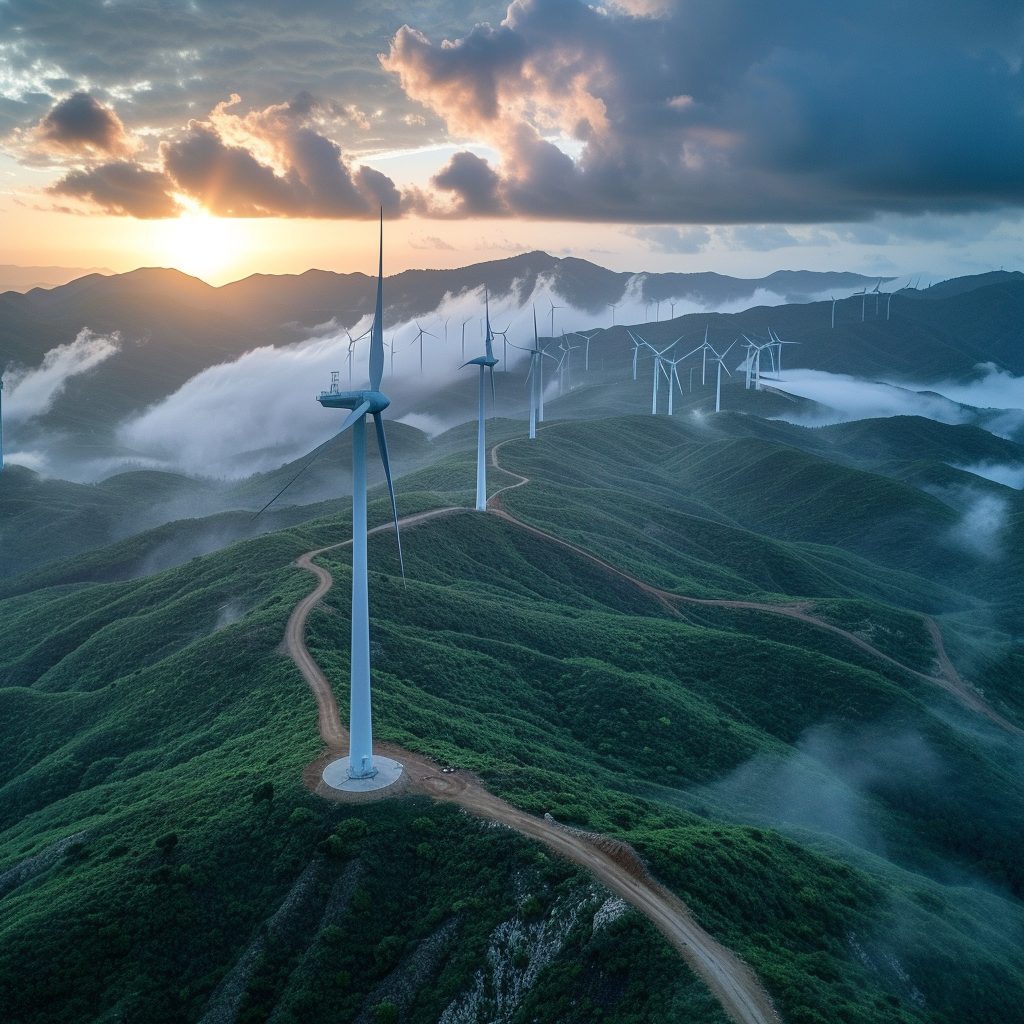
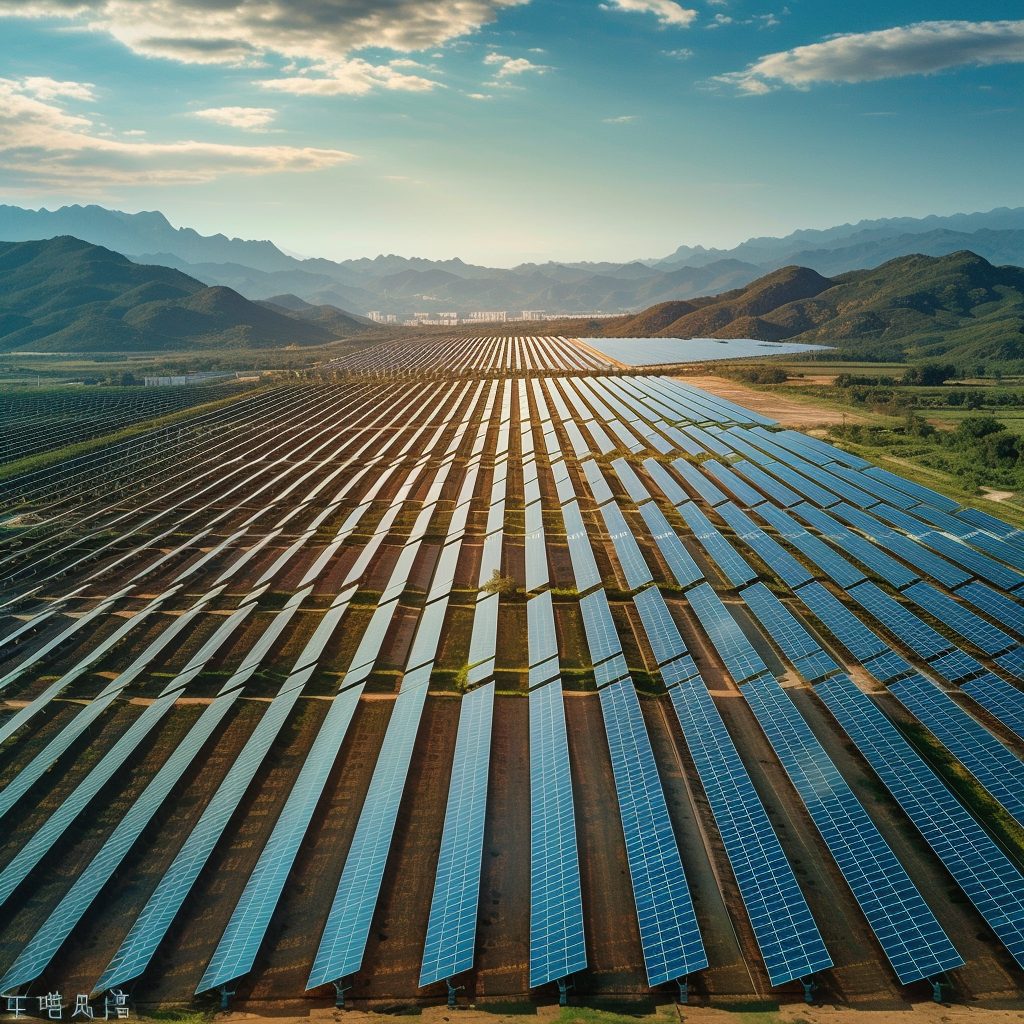
China as a nation also has ambitious targets for the green transition, and in many areas we see that developments there are moving faster than in Europe. In 2023, China led the world in installing both solar and wind power, far ahead of the EU.
We at NewTracks are proud to deliver high-quality products from China, made in an environmentally friendly way. Financially, we do not believe CBAM will have any impact on our products, but we welcome a level playing field.
As for the dialogue with the EU, it is important to note that CBAM primarily concerns relations with third countries, and there is an ongoing discussion about how this will affect Norway. The Norwegian government is working to ensure that carbon pricing helps reduce emissions without moving them to other countries.
Norway is open to discussion with the EU to safeguard the international competitiveness of Norwegian businesses while complying with our obligations under the WTO agreement.
- In 2024, CBAM will cover imports of goods such as cement, iron and steel, aluminium, fertilisers, electricity and hydrogen from countries outside the EEA.
- From 2034 there will be full implementation, and the CBAM categories will be extended to energy-intensive industrial sectors, including oil refineries, steelworks and the production of lime, glass, ceramics, pulp, paper, cardboard, acids and large organic chemicals.
In Norway, CBAM is considered not relevant to the EEA, and there is no legal obligation to introduce this system.
NewTracks works with product development and production of mechanical components.
With offices in Shenzhen and Oslo, we are your best link to quality manufacturing in China.