Efficient production with cast aluminium
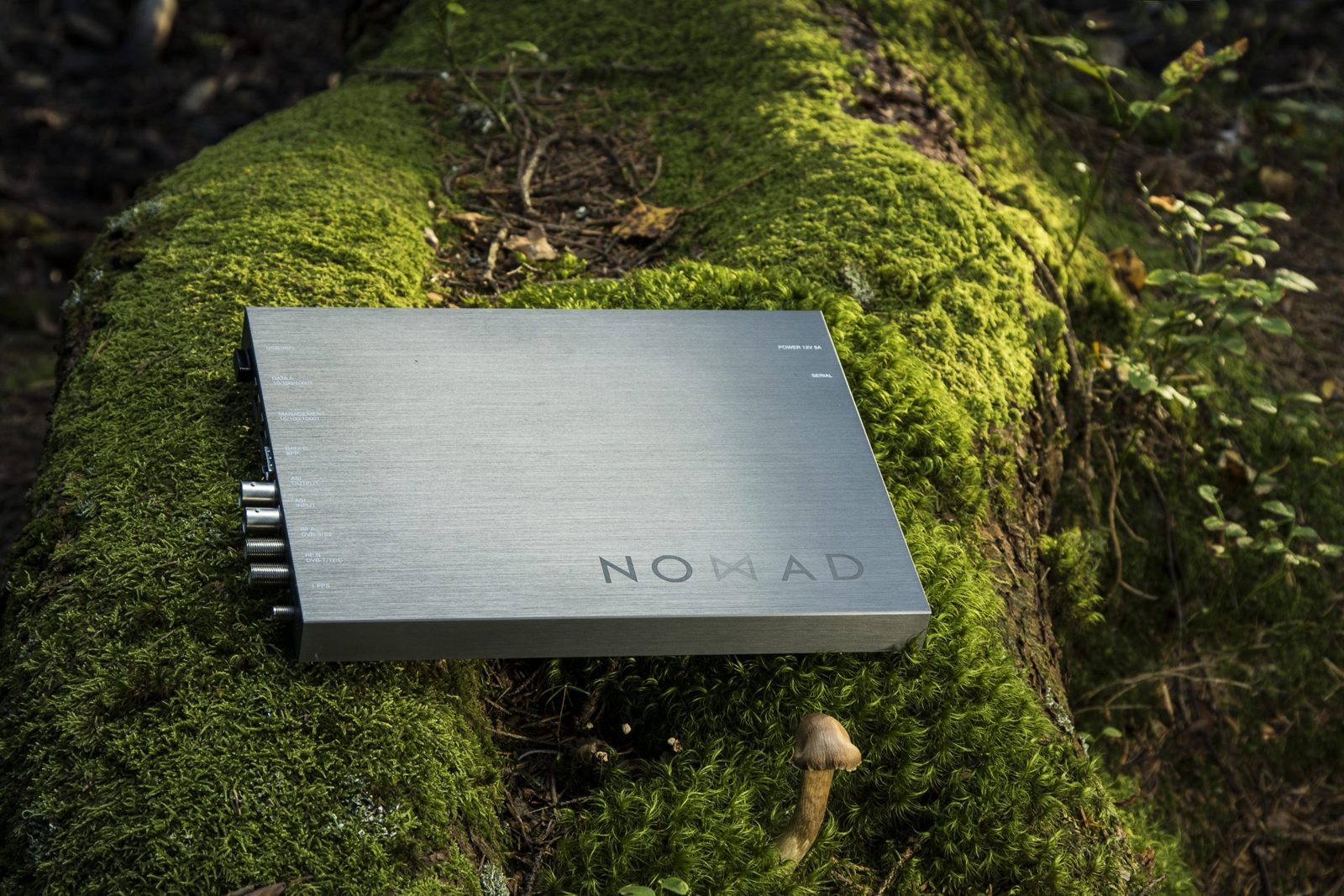
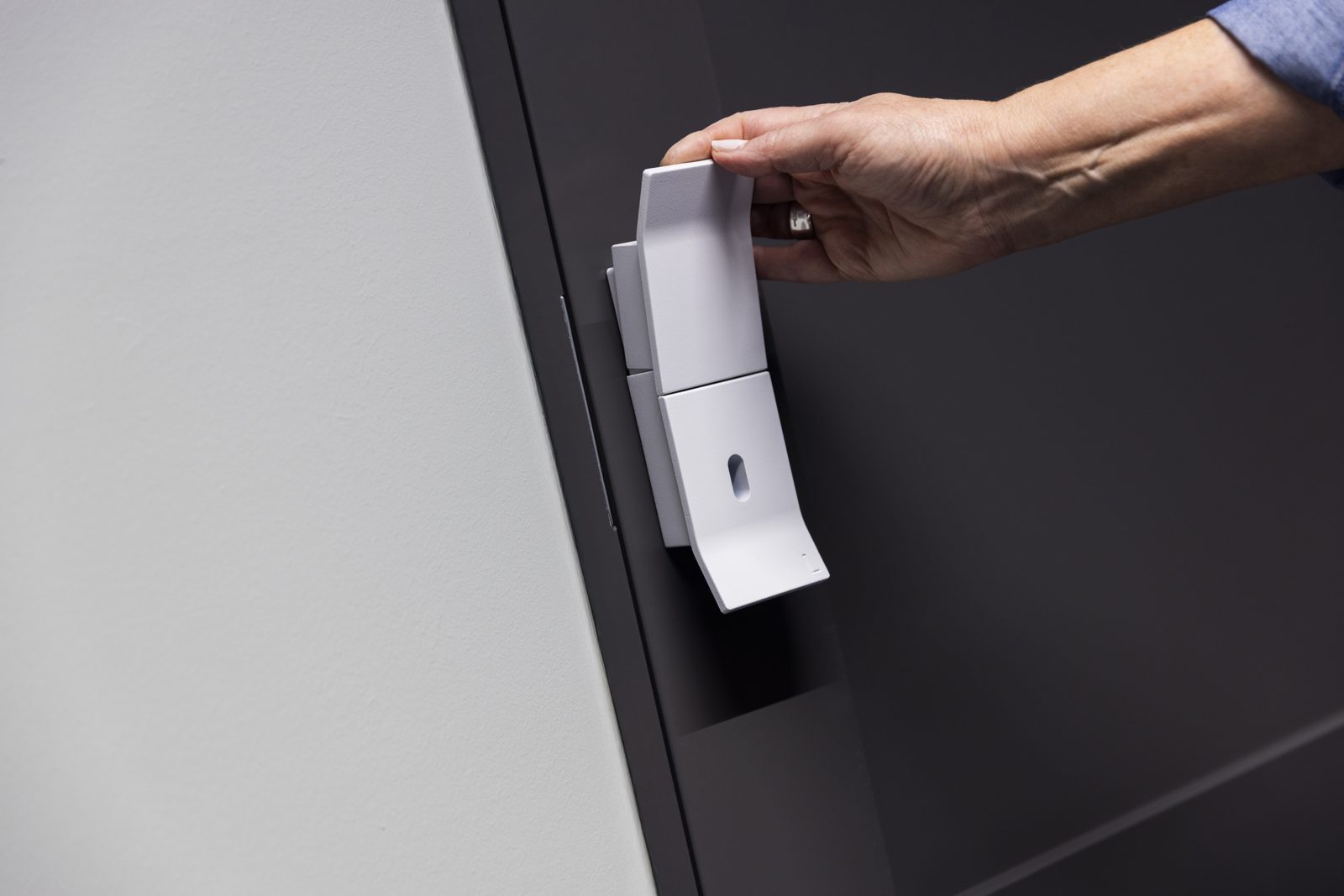
Die casting is an efficient process with high accuracy and relatively low tooling investment. That is why die casting is used in many products in electronics, cars and household goods.
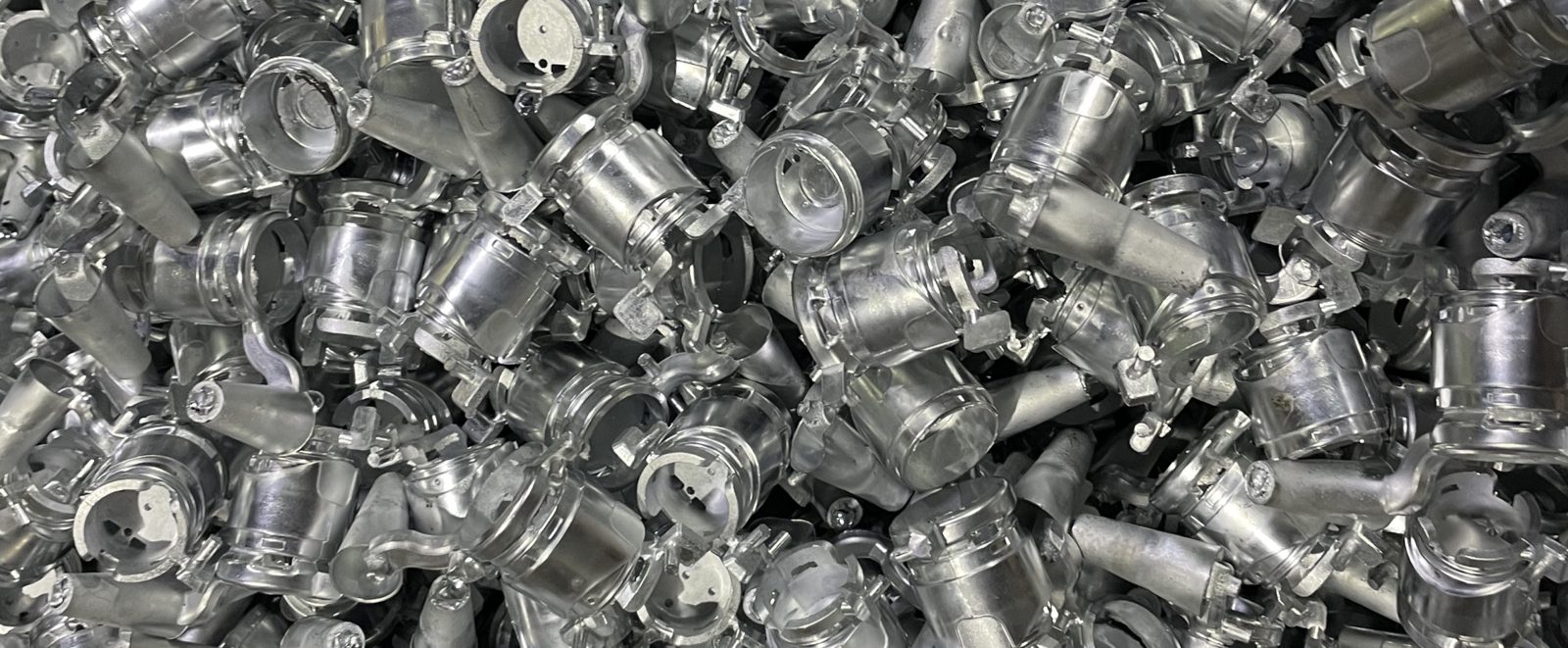
Advantages of die-cast aluminium
Die casting is an automated process with high capacity, high quality, tight tolerances and a fine surface. In addition, surplus material can be recycled in production.
Threads and areas with strict tolerance requirements are machined after casting.
The surface can be sandblasted, painted, polished, chrome-plated etc.
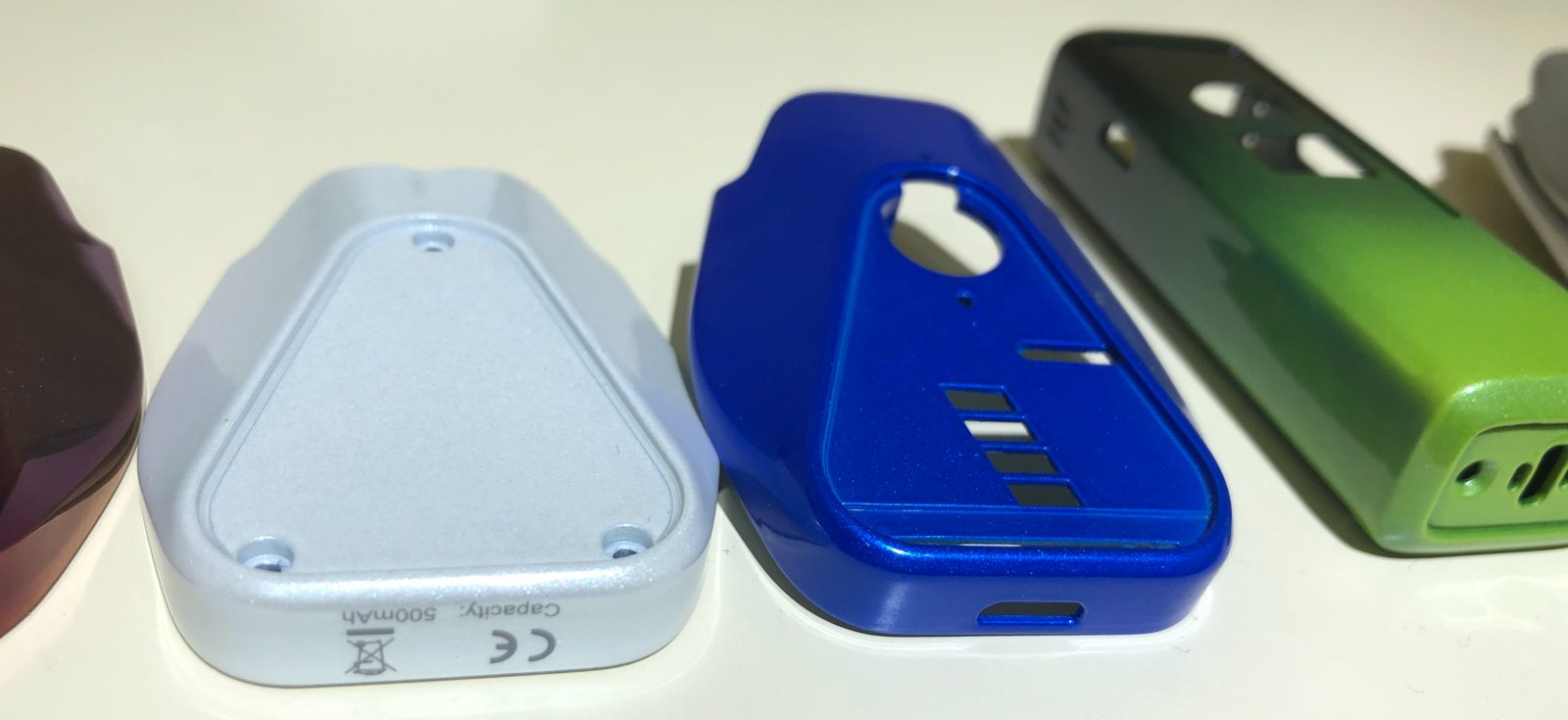
Aluminium alloys
The most common aluminium grade we use is ADC12 (also known as A383), which is the most widely used material in die casting because of its combination of strength, durability, temperature resistance and good machining properties. Other alloys can also be used, but will usually mean a slightly higher price and require larger production quantities.
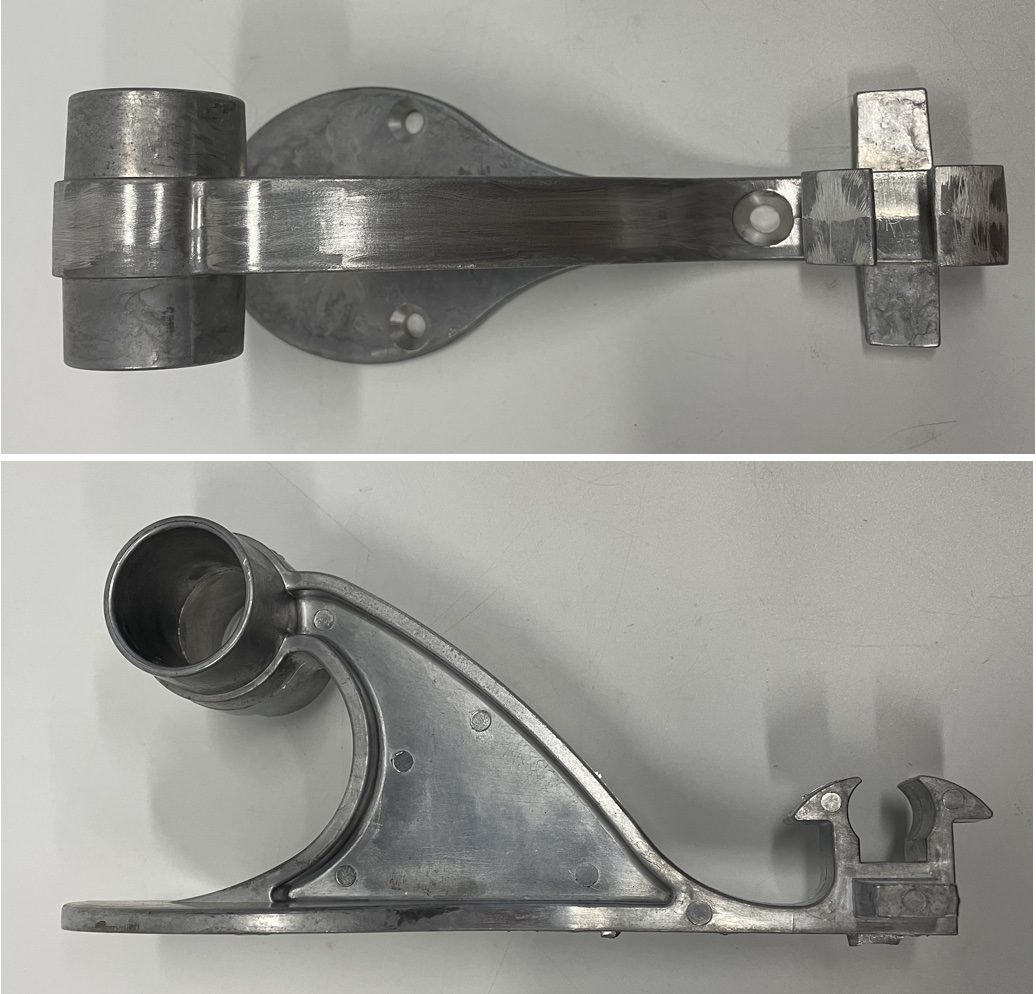
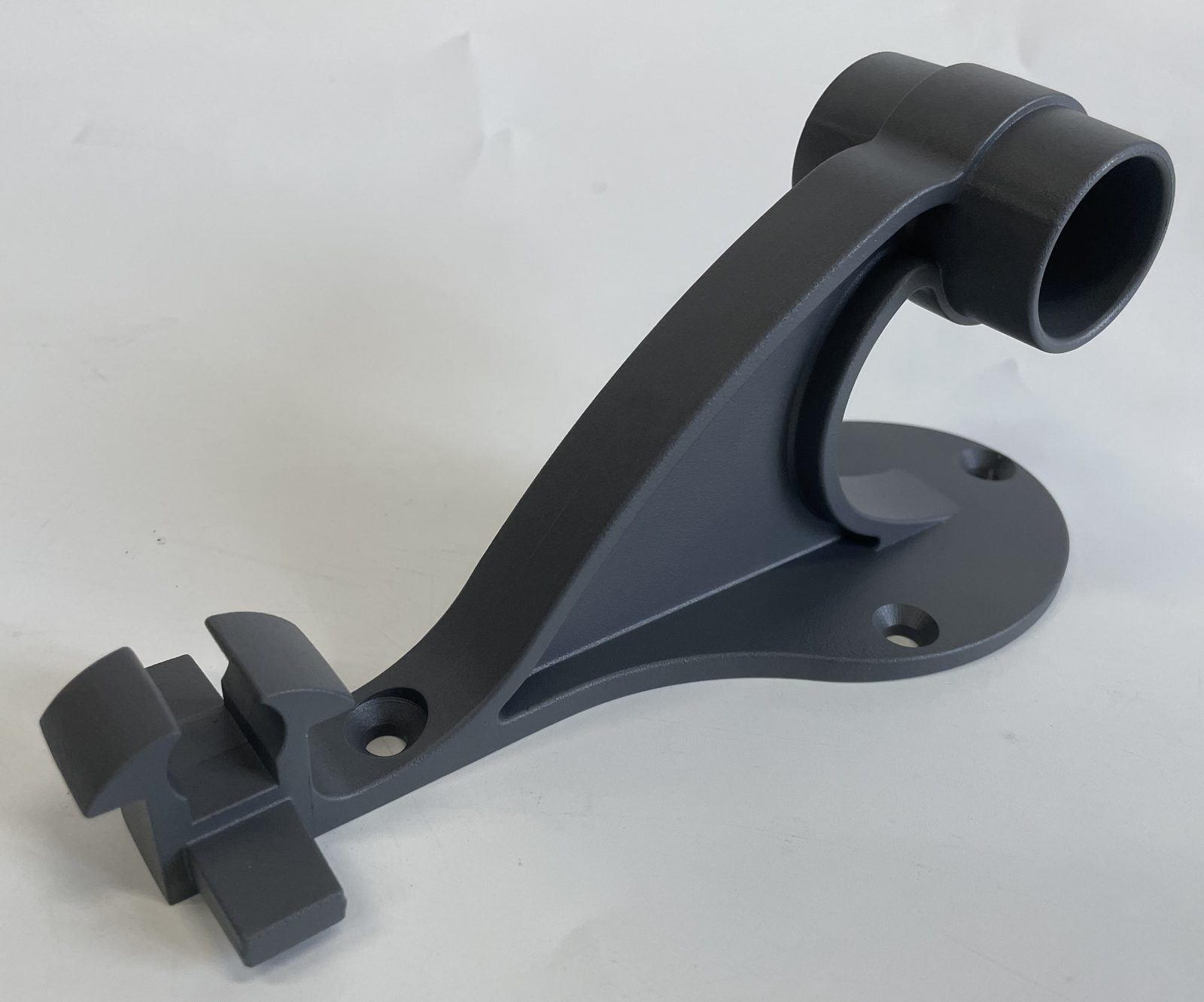
As a basis for tool production, we need a 3D model of the component (STEP format) and a 2D drawing with all details. Before we start producing the tool, we do a technical evaluation to make sure that all details can be cast and to clarify what machining is needed after casting.

Schedule for cast aluminium components
Producing the tool itself normally takes 4–5 weeks, and we then deliver a first-off sample for approval. Once it is approved, production can start. Normal production time is 4 weeks.
Facts about die casting
In die casting, liquid metal is filled into a steel tool and held under pressure until it solidifies. The tool normally has a fixed and a moving part, where the moving part has ejector pins that push out the finished casting. The tool can have moving slides, cores and sections to make holes and other shapes in the casting. The working pressure ranges from a few MPa to about 150 MPa.
Aluminium becomes liquid at 660°C and is about as fluid as water, which requires great precision in the tool.
Recycling metal, both from our own production and from other products, reduces material costs and is an environmental gain compared with, for example, plastic. Recycling aluminium takes only a fraction of the energy needed to produce new material.
Aluminium weighs only 2.7 kg/dm3, a third of the weight of steel. Die-cast aluminium parts have great strength relative to their weight.