How do you ensure successful product development?
Product development is about turning an idea into a product. Time and use of resources matter. We want to meet the customer's needs, but above all choose the features the customer is willing to pay for. We want to optimise for efficient production and logistics. How do you make sure you create a profitable product?
What are the criteria for profitable product development?
- Create a product the customer is willing to pay the most for
- Involve the customer in product development
- Set a realistic schedule
- Get the product to market quickly
- The first version does not have to be perfect
- Plan how the product will be manufactured
- Include the packaging in the design process
How to create a profitable product
Sometimes there is surprisingly little connection between cost and value. Product features the customer is willing to pay more for can cost little in production. The key is to include the features that give the customer the most value and you the smallest cost increase.
It is said that a product is 30% function and 70% the story around it.
The story around the product is everything that has no functional significance, e.g. brand, sales channel, product design, choice of materials, packaging etc.
Why is product design important?
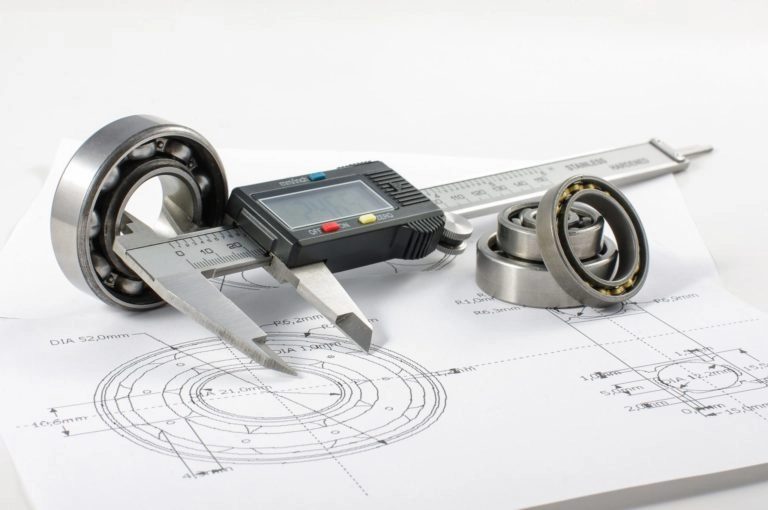
Good design can give the customer great added value without a corresponding increase in production cost.
But what is good design?
If you have two alternative designs for a product, show them to relevant people and ask: Which of these do you think is the most expensive? People tend to have a more objective view of what is expensive, i.e. what others are willing to pay for the product, as opposed to the subjective: What do you like?
We want to develop the most profitable product possible. The best design is then the one the customer is willing to pay the most for.
The value of good prototypes
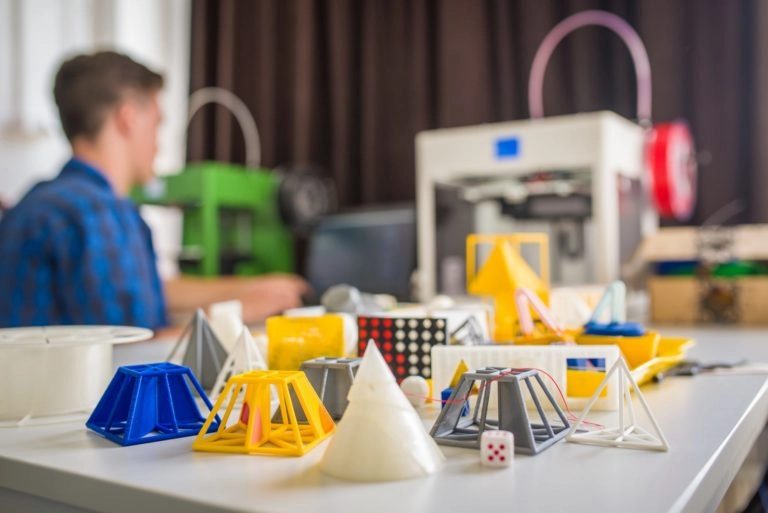
Prototypes are an important part of the development process. With 3D printing you can quickly get a working model and test alternative solutions. For technical function, this is perfect.
Communication with customers is something else. If the goal is to sell, the product should look as if it were series-produced. A half-finished prototype in bubble wrap creates uncertainty for the customer. If you start the meeting by bringing out a perfect product in perfect packaging, the meeting gets the right focus.
Read more about product development and prototypes.
Choosing materials for the product
The choice of materials is often decided by other factors, but sometimes we are freer to choose between different materials.
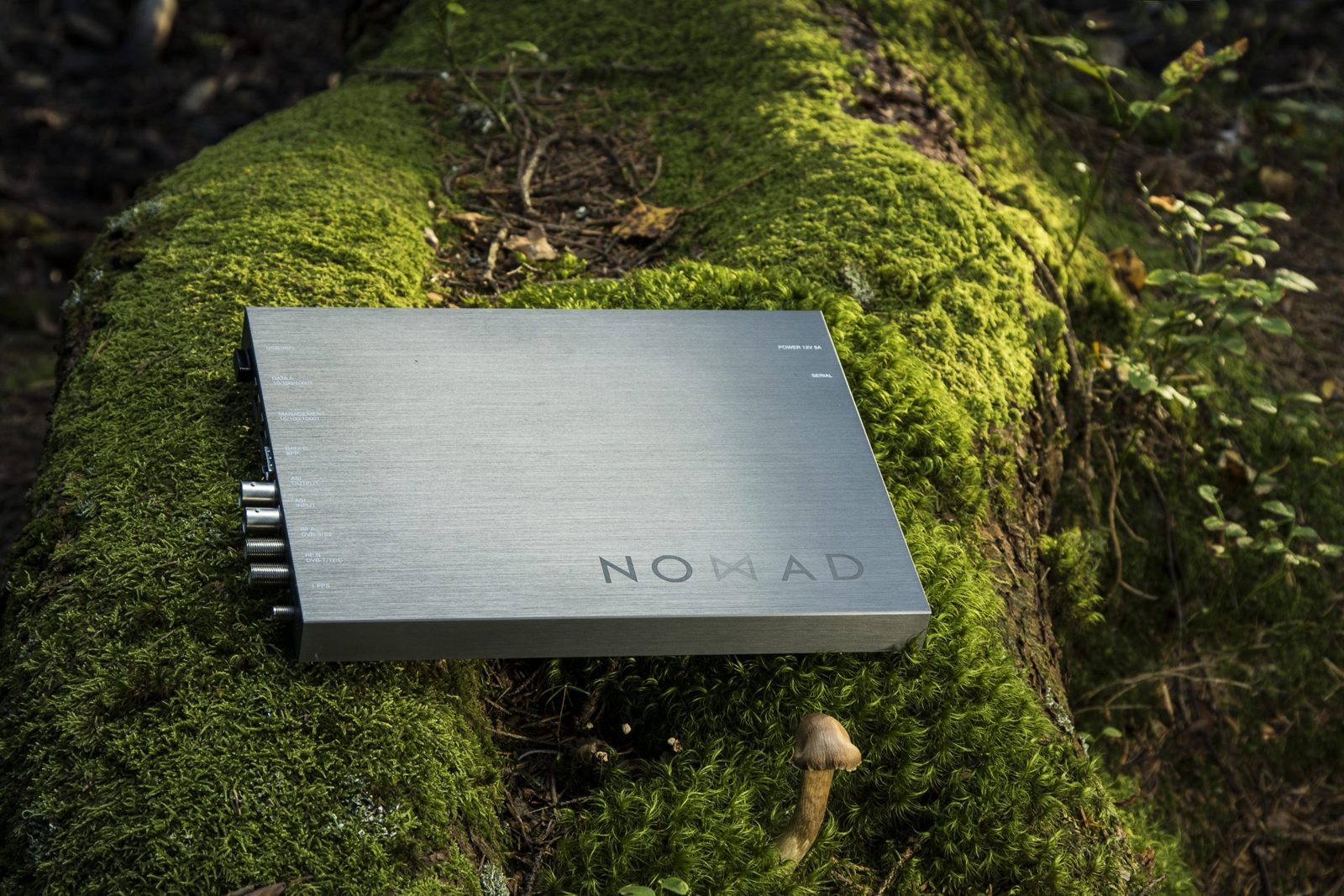
We did an experiment for a customer: an electronics product needed an enclosure, and we considered moulded plastic or machined aluminium. We made prototypes of both, so both products looked series-produced. The aluminium enclosure was naturally heavier and had straighter edges, brushed with grey anodising. The plastic enclosure was lighter and rounder in design.
The result was surprising: people who did not know the product assumed that the aluminium version was at least twice as expensive as the same product in plastic. Others thought the two products could not possibly have the same function!
Involve the customer in the product development process
If you can, involve customers in the development of a new product. This increases the likelihood that you develop something that sells, and you can do marketing along the way.
Customers can give important input on what the market wants and what it is willing to pay for. But be careful: along with useful advice, you often get a lot of «nice to have» features that nobody actually wants to pay for. As a developer, you must always weigh cost against willingness to pay.
Don't optimise the product. Get it finished!
During development, good ideas that improve the product will come up. They can be very good ideas, but they will stop progress. All too often I see developers who keep improving and optimising and never finish the product.
This is what we call the developer trap: those who keep improving the product
and therefore never get it to market.
So make it a rule to note all improvements for the next revision of the product. Your first idea was good too! Realise it. Get it to market and start making money! Once you have started selling the product, you can bring out your good notes and start on the next version.
A perfect product is all well and good, but positive cash flow is better!
Product design should also include packaging
Packaging is much more than protection during transport. Packaging is part of the product experience and the customer's first impression of your product.
If you buy a phone, PC, watch or games console, you can see how much effort has gone into the packaging to give you a good «unboxing experience». The reason is simple: the extra price the customer is willing to pay is far higher than the cost of the packaging.
Read more about why packaging is an important part of the product
Estimating the time for the development process
Time is an important factor in a good product development process. Give a realistic expectation of when the product will be ready. But a good plan does not mean plenty of time. There should be a little pressure. Development should progress quickly to keep up the enthusiasm.
Read more about Intensive efforts in product development pay off
Product development and production
The product development process should take place in close cooperation with production, or with someone who knows production well. Adapting the product to the right production process can give large savings and increase product quality.
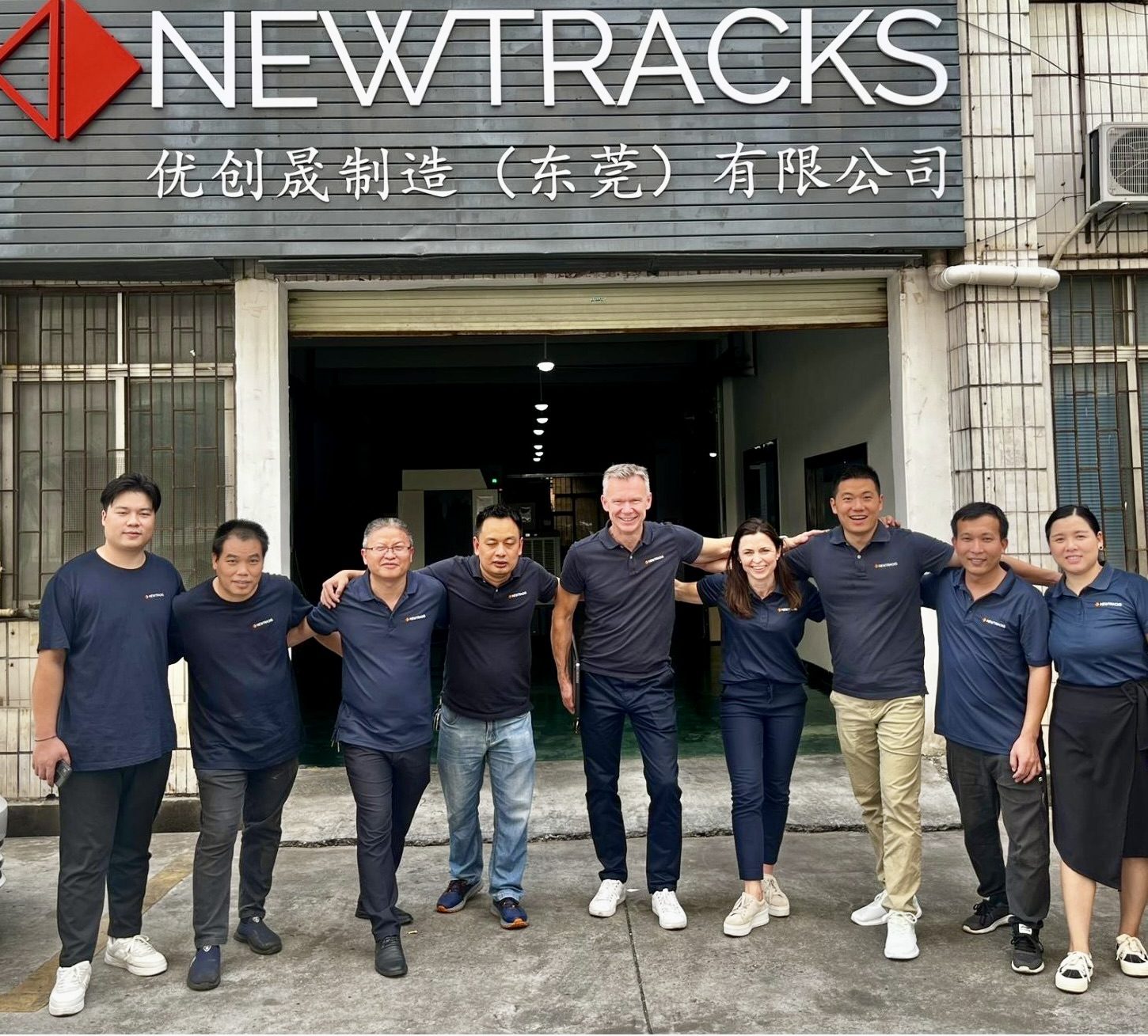
We at NewTracks work closely with our production partners and can contribute input in the product development process and prepare for efficient production and logistics.
NewTracks is your product development partner
We help the customer through the whole process from idea to finished product. In several projects we work with external industrial designers who are responsible for the form, while we take care of industrialisation and engineering. We make good prototypes and photorealistic presentations so that you can do marketing in parallel with product development.
We put in the resources to get the product ready for production in a short time, and choose the production process based on the production volume. As sales grow, we advise on new processes adapted to the higher volume.
Product development examples
Development of Nomad – an aluminium enclosure for electronics, for Bridge Technologies
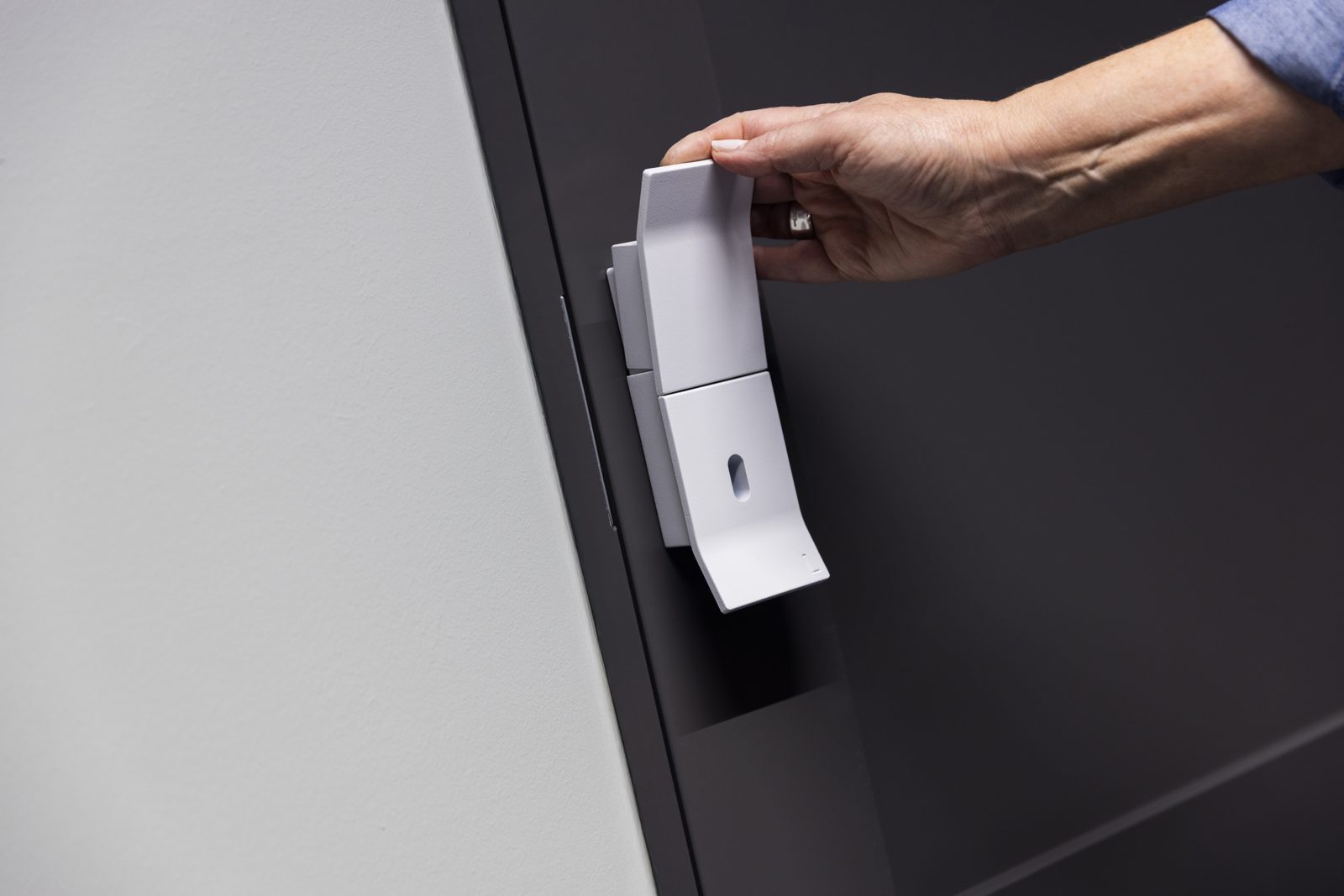
Design of self-service check-in for
Frankfurt Airport, for BB Computerteknikk

Development of a plug & play solution for PLCs, for BS Teknikk